The first time I handed a lead rope to a nine-year-old called Mason, he grasped it like a lifeline and couldn't keep his feet still. The steed, a patient bay mare called Willow, blinked and breathed out. We began with 10 actions of quiet leading, then stopped, then 10 more. The pattern was straightforward. By the third pass, Mason's stride synced with Willow's shoulder. He noticed her ear flipping towards him and softened his hand. The uneasyness didn't disappear, it redirected. The difference in between fidgeting and guideline can be the difference between turmoil and emphasis. Equines reside in that middle ground, where motion is information, not a problem.
That is the heart of ADHD equine finding out support. It is not concerning compeling stillness. It has to do with offering movement with definition, sensation with safety, and comments that shows up in real time, from a thousand-pound partner that speaks well-versed body language.
Why steeds satisfy ADHD students where they are
People with focus differences commonly hear the exact same guidance repeated: sit still, attempt tougher, handle your time better. On the other hand, their nerve systems wish to move, touch, check, and react. When you enter a sector, you enter a sensory community that makes good sense to a mind that grows on novelty and kinesthetic cues.
Horses are victim animals. They read breath, position, and micro-movements with accuracy. You can not chat a horse right into trusting you. You earn it by being clear and constant in your body. For somebody with ADHD, that pressure to symbolize as opposed to discuss is healing since it bypasses language and taps straight into somatic signs. You reduce the loop between action and comments. Yank the rope as well rapidly, the equine tosses its head. Unwind your shoulder, the horse matches you. The globe comes to be cause, impact, readjust, learn.
This blends normally with restorative horsemanship and equine-assisted services. Some programs highlight riding and useful ability building. Others focus on equine-assisted mentoring that targets self-awareness, executive function, and relational boundaries. The usual thread is experiential discovering with equines, where the steed's feedback comes to be the mirror that overviews the session.
The sensory conversation in the barn
Traditional sensory diet plans depend on weighted blankets, fidgets, swings, and proprioceptive input. A well-run barn offers all of that, wrapped in a function. The structure of a curry comb across an equine's coat supplies responsive feedback. Pressing a wheelbarrow to the manure stack gives hefty job that organizes the nerves. The rhythm of strolling with an equine, matched to breath, manages arousal at a rate that really feels natural, not prescribed.
Somatic healing with horses occurs silently. I enjoy shoulders go down when a steed sighs. I see eyes scan the fencing line, after that go back to connection, as a rider techniques orienting to the atmosphere before returning to task. The scents, the crunch of ground, the heat along an equine's neck, even the requirement to discover where the hooves are, all invite sustained attention without penalty. For ADHD students, calling this Alternate treatment for sensory challenges undersells it. It is a sensory conversation in both instructions, not simply input supplied to a passive recipient.
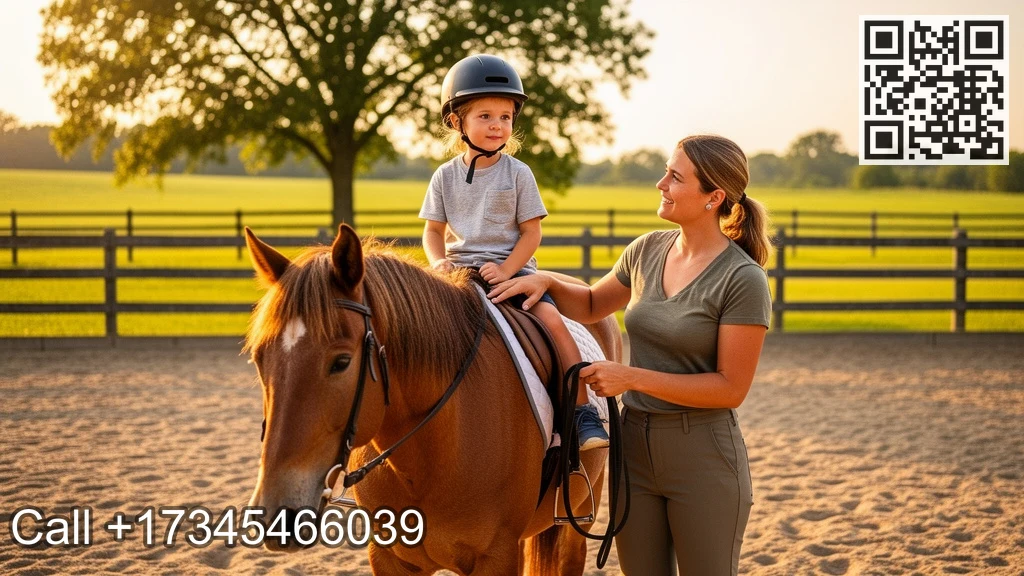
Groundwork prior to saddle time
Parents usually ask whether their child will certainly ride at the initial session. In some cases of course, typically not. With ADHD equine finding out assistance, I like to earn the right to ride. That indicates beginning on the ground with clear goals that match the person's guideline degree, age, and objectives. A six-year-old brand-new to animals requires time to check out ears and see limits. A young adult who focuses on rate may need to exercise quiting from a stroll until the routine feels trustworthy. An adult freshly diagnosed at 34 might want to discover management and pacing with equine-facilitated mentoring before ever before stepping into stirrups.
Once trust and safety and security are developed, riding can add valuable vestibular and proprioceptive input. The three-dimensional movement of a horse's walk estimates human pelvic activity throughout gait. That rhythm supports core interaction and midline crossing. But riding is not required to see benefits in emphasis, emotional guideline, and self-confidence. Several equine-assisted activities achieve those aims with groundwork alone.
An example session that keeps focus moving
Every barn designs sessions in different ways, and the most effective facilitators adjust on the fly. Here is a structure I make use of when focus rises and fall yet motivation is high:
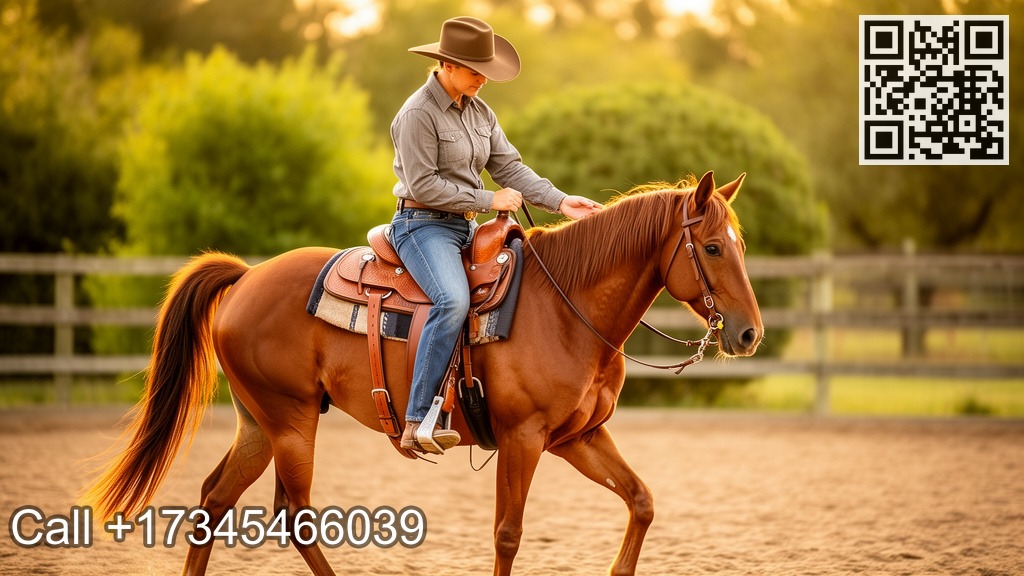
- Arrival and policy check: Two mins of observing breath rate, stance, and voice quantity. Quick body check. Decide whether we start with grooming or a walk. Connection and pet grooming: Soft brush for wide strokes, curry for circles, after that a moist towel over forehead and neck. Match pace to the steed's convenience. Track exactly how pressure and pace influence the horse's reaction, then adjust. Intentional leading: Walk a rectangular shape at the rail, quit at each edge with a constant series, then alter direction. Add a figure eight, after that a halt and back-up. Ask the individual to call the distinction in between drawing and inviting. Challenge and option: Set three cones and provide 2 courses, a direct route or a serpentine. Let the participant pick, then review just how the choice transformed their focus and the equine's attention. Debrief and transition: 3 inquiries, short and particular. What did the equine do when you took a breath out? Where did your hands feel strong? What would certainly you attempt sooner next time?
Notice the oscillation in between movement and time out, doing and discovering. That rhythm aids ADHD minds prevent the boredom-impulsivity seesaw that thwarts knowing in fixed environments.
Safety, staffing, and the invisible net
Horses magnify whatever program strengths or spaces exist. Safe ADHD equine discovering support hinges on trained groups, suitable steeds, and a facility that anticipates demands. I favor a proportion of one facilitator to one participant for the very first few sessions, with a sidewalker or second trainer offered if riding begins. For team programs, 3 to 5 individuals with two facilitators and a steed trainer per equine maintains the circulation while permitting customized support.
Helmets are nonnegotiable for installed work and usually practical for foundation with younger children. Closed-toe shoes are a must. Clear arena rules precede, mounted as agreements as opposed to threats. We phrase them in positive language and support them in co-regulation. Walk feet in the sector. Voices at a discussion degree near steeds. Ask prior to feeding or stroking. The objective is simple: predictability that frees focus for knowing, instead of continuous correction.
Not every barn is equipped for neurodivergent students. When you tour a program, ask exactly how the group incorporates ADHD techniques. Do they plan short, varied jobs? Can they lower visual clutter in the sector to limit diversion? Are there silent zones for decompression? Programs that treat all customers identically typically battle when stimulation spikes.
Choosing the appropriate equine for the job
I search for equines with a couple of key qualities: consistent rhythm at the stroll, passion in people without being aggressive, and a background of calmness in new circumstances. Breed matters much less than character. Age can range extensively, however middle-aged horses frequently beam because their joints and minds understand just how to rate. The very best companions supply responses without rising. If a youngster flaps the lead rope, a dysregulated steed could quicken and pull, intensifying the concern. An experienced steed will certainly plant a hoof and blink, supplying a pause that invites the handler to slow down too.
Even the ideal horse has off days. Windy weather condition spikes reactivity on many ranches. Springtime turf can make relaxed geldings a little fresh. Experienced groups will certainly adjust by switching horses, changing activities, or functioning inside.
Sorting the alphabet soup of equine programs
The area utilizes overlapping terms that can puzzle families and clinicians. Restorative horsemanship typically highlights skill building and may consist of flexible riding with certified trainers. Equine-assisted services is a wide umbrella that covers riding, foundation, psychological health deal with accredited specialists, and physical or occupational therapy. Equine-facilitated wellness and equine-facilitated coaching usually include non-mounted sessions that target self-regulation, tension management, setting goal, or team dynamics.
Team building with horses can look different once more, with teams discovering cooperation, count on, and communication through time-limited challenges in the field. ADHD learners can take advantage of each approach, however quality matters. If your primary goal is executive feature and psychological regulation, request equine-assisted coaching or psychological health sessions. If you desire riding skills and sensory regulation, flexible riding under restorative horsemanship might fit best.
What the research study recommends, and where judgment still leads
The proof base is expanding, though it is not as large or uniform as we would certainly like. Small researches and program examinations have actually reported gains in focus, self-regulation, and social abilities for young people in riding and groundwork programs over spans of 8 to 24 weeks. Clinicians often observe boosted disappointment resistance and faster return to standard after troubles. Heart price irregularity and cortisol adjustments have been gauged in some contexts, however searchings for differ with program layout and individual age.
If you are trying to find assurances, equine work does not offer them. What it offers is an abundant environment for technique. ADHD brains have a tendency to boost with clear contingencies, regular responses, and mentally interesting jobs. Steeds supply those components consistently when sessions are well designed.
When equines are not the appropriate fit
This job is not universal. Serious hatreds hay or dander can make sessions miserable. Uncontrolled aggression or a background of pet harm calls for mindful screening and choice supports first. Severe trauma may make a victim animal's level of sensitivity overwhelming. Some clients become so horse-focused that transfer to institution or home stalls out. Others hunger for high-speed riding when their system needs slow, formed movement.
There are workarounds. Allergy protocols and outdoor grooming decrease triggers. Finished direct exposure and foundation construct capacity prior to extra extreme tasks. Clear behavior agreements and team coordination with specialists can broaden the window https://www.tumblr.com/kaitlynillustrations/819522713258459136/i-was-inspired-by-lots-of-cute-polly-pockets-from of resistance. Still, it is better to stop or pivot than to require a suit that raises risk.
Goals you can count, and tales that matter
Good programs gauge what they educate. For ADHD equine finding out support, that could consist of on-task period throughout grooming, effective shifts between workouts with very little motivates, or the variety of self-initiated regulation approaches used per session. I track latency to recuperate after a blunder, like going down the lead or missing a cone. Over weeks, I expect to see the individual calling their state, selecting an adjustment, and going back to task faster.
Anecdotes are not information, yet they direct technique. One 13-year-old, Hannah, began with two-second ruptureds of focus and constant side glimpses to every audio in the barn. By week 6, she can lead at the rail for 3 minutes, stop on a soft exhale, and mirror, I saw when Thunder's ear mosted likely to the gate, so I transformed his shoulder back to me. That is executive function moving, coached not with a lecture, but through a really felt sense of timing and cause-effect.
Anxiety, autism, and the overlap worth naming
Many customers with ADHD also experience anxiety, and a significant number are autistic. Equine-assisted health can serve both. Anxiety support with steeds benefits from the exact same co-regulation loop that assists attention. The horse's breath and activity support today minute, while the facilitator structures options that lower unpredictability. For autistic participants, an autism equine discovering program frequently stresses predictability, sensory level of sensitivity, and clear aesthetic supports. Regular can live alongside uniqueness by maintaining the framework secure while differing the details job. Lead the very same pattern, with a brand-new objective at each corner. Bridegroom in the same order, with a new brush texture introduced slowly.
The trick is personalized pacing. Some autistic clients hyper-focus on the horse's mane and ignore instructions. As opposed to breaking that emphasis, we join it, turning the pigtail right into a sequencing job or a bilateral sychronisation obstacle. The horse ends up being the bridge between passion and skill development.
For grownups with ADHD that assume the barn is for kids
Adults usually come late to medical diagnosis with a lifetime of workarounds and a reasonable amount of pity. Equine-facilitated mentoring gives a judgment-light arena to exercise boundaries, clearness, and pacing. Ask a thousand-pound pet to appreciate your space, and you learn what it seems like to set limitations without apology. Practice requesting a stroll, a stop, a yield of the hindquarters, and you develop a grammar of demand and reaction that returns to groups and households. Numerous experts pick group structure with steeds to service communication patterns under a mild load, where the risks are high enough to matter yet not so high that defenses harden.
I have viewed execs find how their practice of over-directing freezes initiative in both horse and personnel. I have seen silent leaders progression when asked to keep a steed's attention across a loud arena. The allegories are not subtle, but they are earned with effort, not imposed by a facilitator's narrative.
Facility design that supports focus
Small environmental tweaks stop derailment. I like fields with clean rails and restricted aesthetic sound. Cones and props stay off to one side until needed. White boards list the day's 3 tasks, say goodbye to. Damage locations have a chair, a weighted lap pad, and water, absolutely nothing distracting. Sound carries in different ways in covered arenas, so we check microphones, and we utilize hand signals for halt, stroll, and stop to prevent shouting.
Session size issues. For lots of kids, 45 to 60 minutes when a week is sustainable. Some programs run 30-minute intensives twice a week for the initial month, which can jump-start practices. Grownups typically endure 75-minute coaching sessions that consist of a short class section, 40 minutes in the sector, and a debrief.
Costs, gain access to, and exactly how to vet a provider
Prices vary by region and qualifications. Anticipate varieties from 60 to 150 bucks for individual groundwork or flexible riding, and 120 to 250 dollars for equine-assisted training with qualified mental wellness suppliers. Group sessions decrease expense yet additionally minimize private time with the equine. Scholarships and moving scales exist at some barns, and nonprofits sometimes underwrite youth programs.
Look for qualifications that match your objectives. For riding skill advancement and safety and security, national teacher qualifications in restorative horsemanship matter. For mental health work, validate that the expert holds an energetic license in therapy, community service, or psychology in your state and is trained in equine-assisted modalities. Ask about continuing education, horse well-being standards, and case response plans. A great program welcomes these questions.
How preparedness and regular come together
The ideal outcomes happen when equine work is part of a bigger strategy. Educators can align class strategies with what is found out in the arena. Moms and dads can practice the very same breath cue and language made use of during leading when irritation spikes in the house. Trainers can help grownups adopt short, kinetic resets in between tasks, mirroring the walk-halt pattern that collaborated with the horse.
Transference is not automatic. We have to call it. After a successful stop at the cone, I typically ask, Where does this skill issue at college? Children address in their own language: When I increase my hand and wait. When I pick up my pencil without tossing it. That calling glues sector discovering to daily life.
A first-visit list for households and adults
- Ask concerning the program's technique to ADHD equine learning support and exactly how sessions are structured for sensory needs. Tour the facility and observe a minimum of one session, noting security practices and horse behavior. Share medical history, medications, and activates, and settle on a plan for dysregulation moments. Clarify objectives you can measure in 6 to 8 weeks, and choose exactly how progress will certainly be documented. Confirm attire and equipment, including helmets, footwear, and any kind of adaptive tack.
A peek of the operate at its best
On a gusty afternoon, a teenage kid named Luis arrived upset and loud. The weather condition had the horses high, and we virtually terminated. Rather, we highlighted the steadiest mare and established 3 cones at the close to end of the arena to shorten traveling. Luis tugged the rope, the mare grew her feet. He rolled his eyes. I asked him to try one thing: lower his shoulders and breathe out like he was misting a window. He offered a staged sigh, and the mare blinked and adhered to. He attempted again, smaller sized, and she softened more. He looked surprised.
For the next 20 minutes, he led, quit, backed, and readjusted, discovering to really feel the difference between drama and clarity. Later, he shrugged and stated, She doesn't listen when I seethe. She pays attention when I suggest it. That sentence made its way onto a sticky note on his bedroom mirror. His instructor later reported less banged drawers and more resets after mistakes. The mare did not repair his ADHD. She offered a practice field where his focus and intention could line up, one step at a time.
That is why I maintain placing lead ropes into uneasy hands. Not to quiet them, however to give them something worthy to hold.